New DEFRA-Funded Project O3Protect Aims to Expand Sustainable Crop Protection Options for UK Growers
- Details
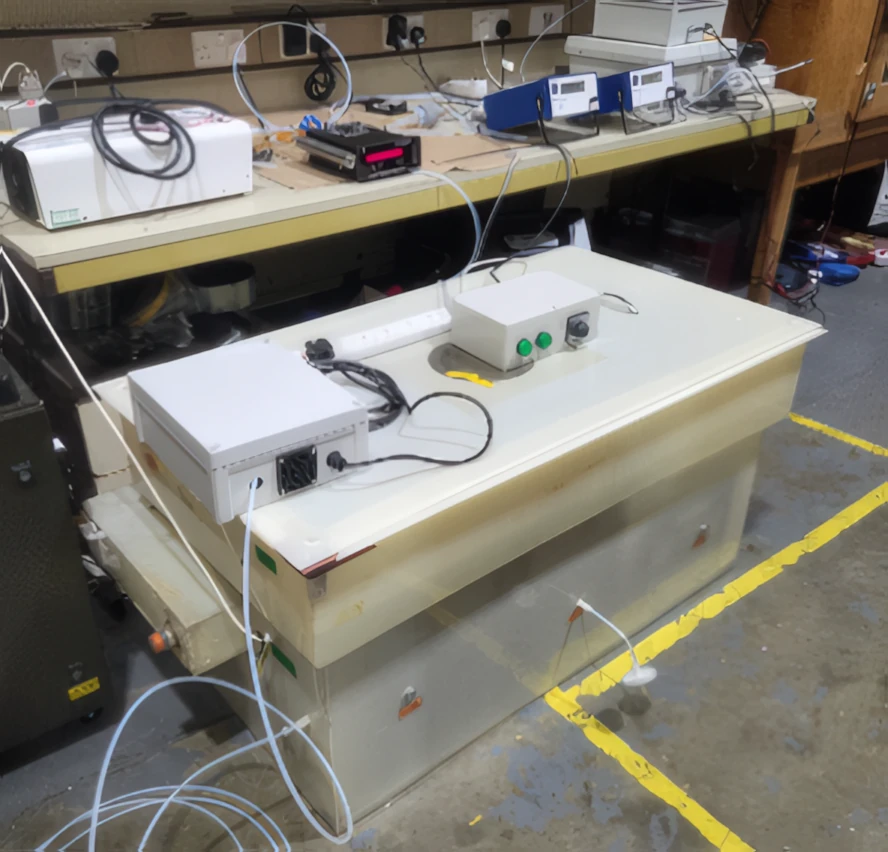
The Produce Quality Centre (PQC) at the University of Greenwich has joined a new DEFRA-funded innovation project, O3Protect, which launched in July through the Farming Innovation Programme: Feasibility Round 4. The project, led by Ozone Industries Ltd, will explore the potential of in-situ generated ozone as a safe, sustainable and effective crop protection solution for use in storage facilities and packhouses, helping UK growers address increasing challenges around crop losses, product quality and environmental sustainability.
Addressing a Growing Challenge for UK Agriculture
UK growers are facing mounting pressure as the availability of crop protection products continues to decline while demands for productivity, quality and sustainable food production increase. The development pipeline for alternative Plant Protection Products (PPPs) has struggled to keep pace with industry needs, leaving farmers with fewer tools to protect crops from pests and diseases.
Many growers report rising crop losses and operational disruption, while concerns have also been raised about competition from imported produce treated with crop protection products that are not approved for use in the UK. At the same time, regulatory barriers can make it difficult for small and medium-sized enterprises to bring conventional chemical solutions to market, creating a need for innovative alternatives.
Exploring the Potential of Ozone Technology
O3Protect seeks to bridge this gap by developing a practical route for using in-situ generated ozone as a low-residue, environmentally responsible hygiene and crop protection treatment. The project will adapt methodologies previously developed under the Biocidal Products Regulation (BPR) to support potential future applications within the Plant Protection Products framework.
Microbiology testing will be carried out by Cardiff Metropolitan University (CMU) to assess ozone's effectiveness against plant pathogens. Testing will take place in a specialist ozone chamber designed and built by Ozone Industries Ltd (OIL).
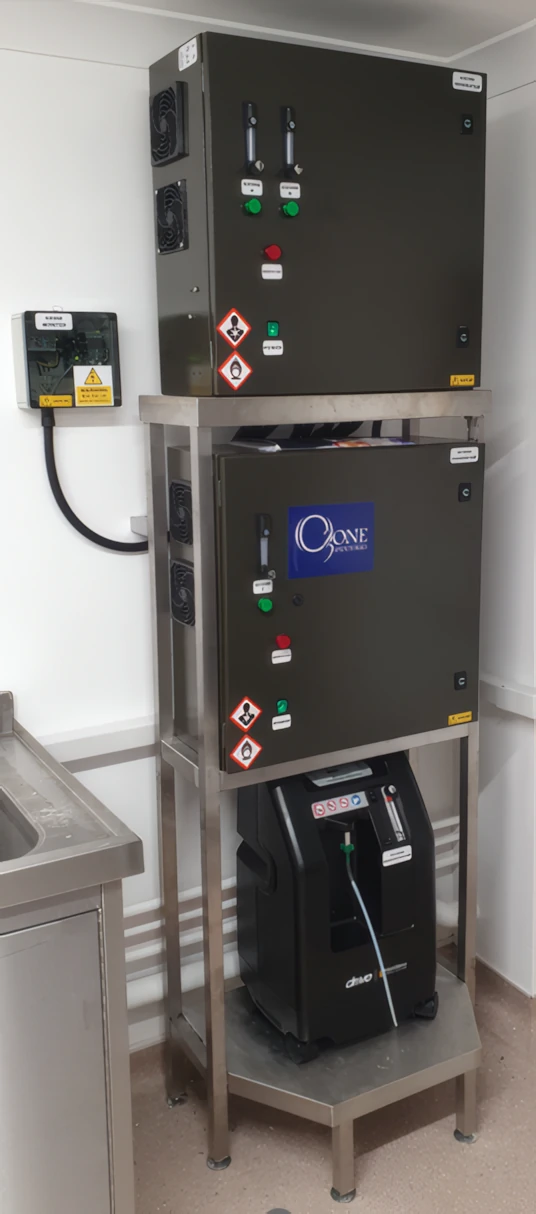
Meanwhile, the Produce Quality Centre (PQC) will evaluate the impact of ozone treatments on the quality of pome fruits, including apples and pears, stone fruits such as cherries and plums, and flower bulbs. The assessments will be conducted using ozone-adapted storage pods supplied by OIL.
Industry Collaboration and Field Trials
The project brings together a strong consortium of academic and industry partners, including AM Fresh Ltd (AMF), ACH Farming (ACH), GSR Fruits (GSR) and Taylors Bulbs (TB).
Working with these partners, the PQC will undertake field trials under realistic storage conditions to evaluate the performance of ozone treatments in commercial settings. An ozone test system will also be designed specifically for field evaluation as part of the project. Alongside the technical trials, the consortium will carry out a market assessment to understand how ozone technology could be implemented across the wider farming sector.
Measuring Economic and Environmental Benefits
A key objective of O3Protect is to quantify the productivity, resilience and sustainability benefits of ozone technology through a detailed cost-benefit analysis. Areas of investigation will include:
- Product loss reduction
- Quality improvements
- Environmental benefits
The findings will help determine the economic viability of ozone-based crop protection systems and provide evidence to support future adoption across the agricultural sector.
Supporting Future Approval as a Plant Protection Product
The ultimate goal of O3Protect is to generate the scientific and economic evidence needed to support an application for ozone to be recognised as a Plant Protection Product (PPP). If successful, the project could help create a new, sustainable crop protection option for UK growers while supporting greater resilience and competitiveness within the agricultural industry. By combining academic expertise, industry knowledge and innovative technology, O3Protect aims to deliver practical solutions that address some of the most pressing challenges facing UK food production today.
Find out more about the PQC: https://pqc.org.uk
Find out more about NRI: https://nri.org